
The Benefits of Montessori Education for Early Childhood
Families searching for a Montessori childcare in West Vancouver or North Vancouver often want more than traditional childcare; they want an environment that supports independence, confidence, and academic readiness from an early age.
Through hands-on learning, structured independence, and a carefully prepared classroom, Montessori preschool programs nurture the whole child — academically, socially, and emotionally.
What Is Montessori?
Montessori is an educational approach developed by Dr. Maria Montessori that respects each child’s natural pace of development. In a carefully prepared classroom, children learn through hands-on materials, guided choice, and purposeful activity.
At our Montessori preschools in West Vancouver and North Vancouver, children are encouraged to explore, problem-solve, and take ownership of their learning in a calm, supportive environmen
What Makes Montessori Different?
Montessori education is based on the understanding that children learn best when they are:
Given independence within clear boundaries
Allowed to move and explore
Respected as capable individuals
Supported at their own pace
Rather than a teacher-led model, Montessori classrooms are carefully prepared environments where children actively engage in purposeful, hands-on learning.
Core Benefits of Montessori Education


Nurturing Intellectual, Social, Emotional, and Physical Growth
-
From a young age, children are encouraged to make choices, complete tasks independently, and care for their surroundings.
This daily practice builds:
Confidence
Responsibility
Self-discipline
Decision-making skills
By the time children enter Kindergarten, they are comfortable working independently and solving problems on their own.
-
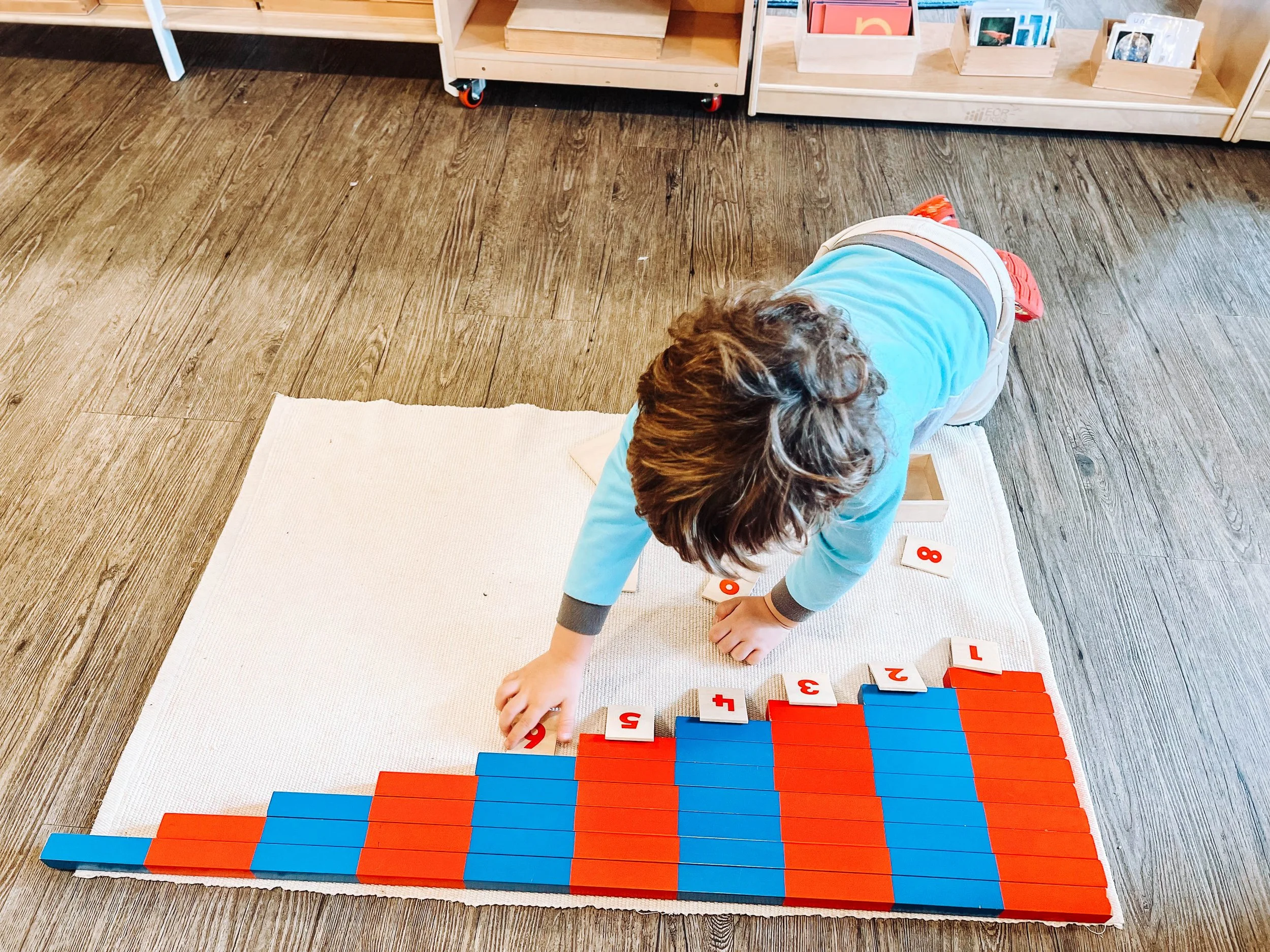
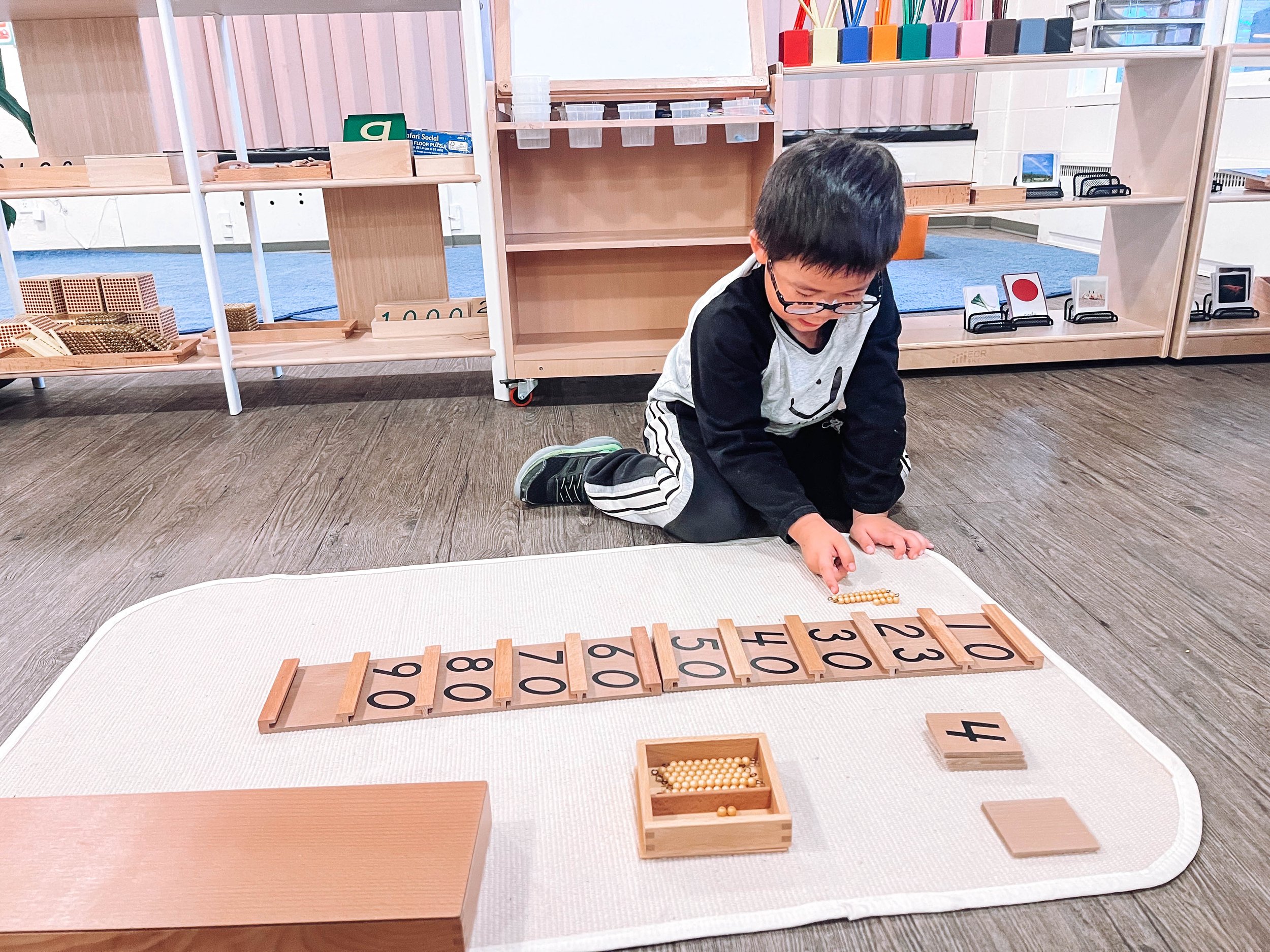
Montessori preschool programs build early literacy and numeracy skills through hands-on materials that make abstract concepts concrete.
Children develop:
Phonemic awareness and early reading skills
Foundational math understanding
Logical thinking
Concentration and attention to detail
Because learning is experiential, children gain deep understanding rather than surface memorization.
-
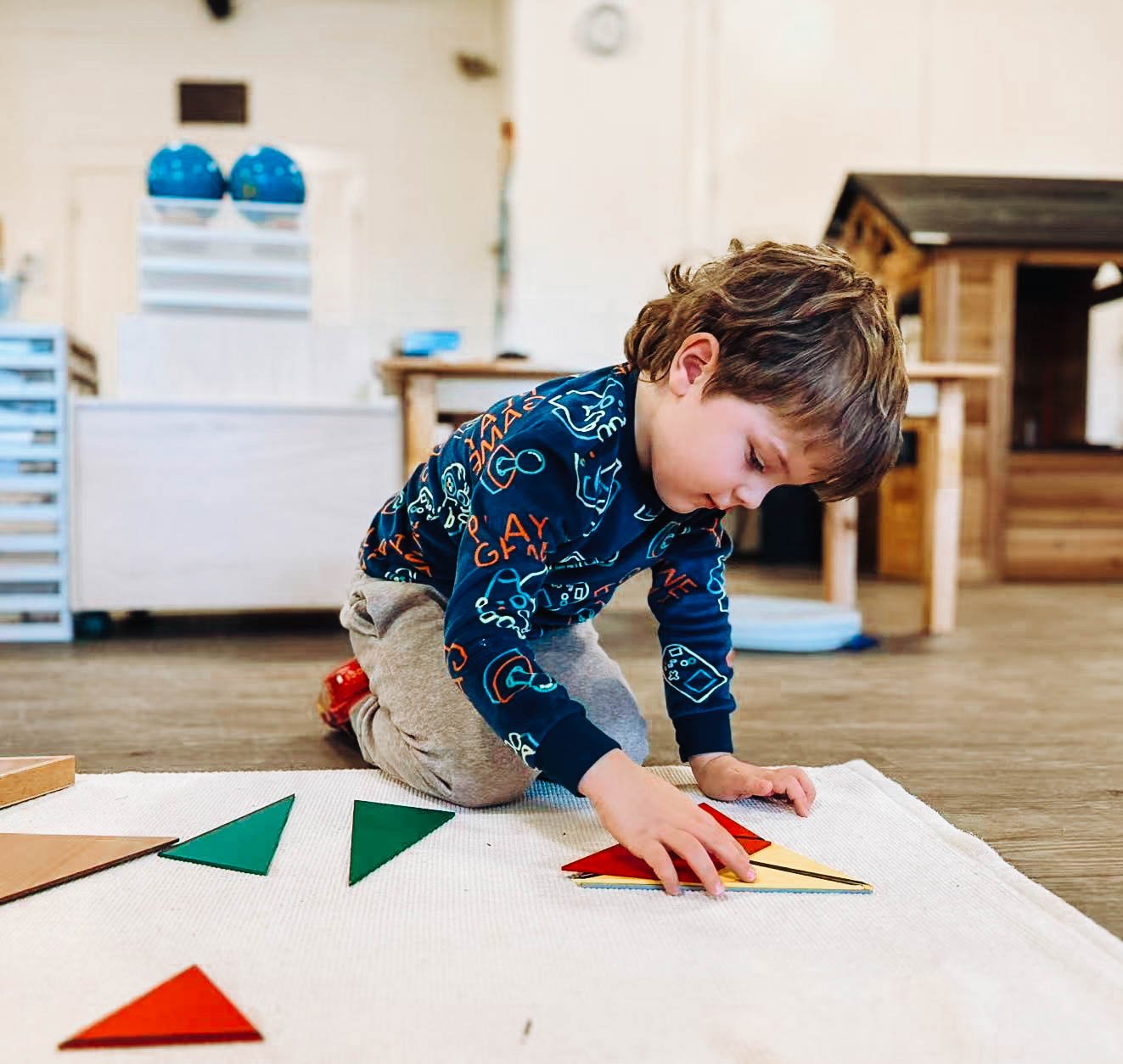
Montessori classrooms are intentionally calm and structured. Materials are designed to isolate skills and encourage repetition, allowing children to build concentration naturally.
This ability to focus is one of the greatest long-term benefits of Montessori education and supports success in elementary school and beyond.
-
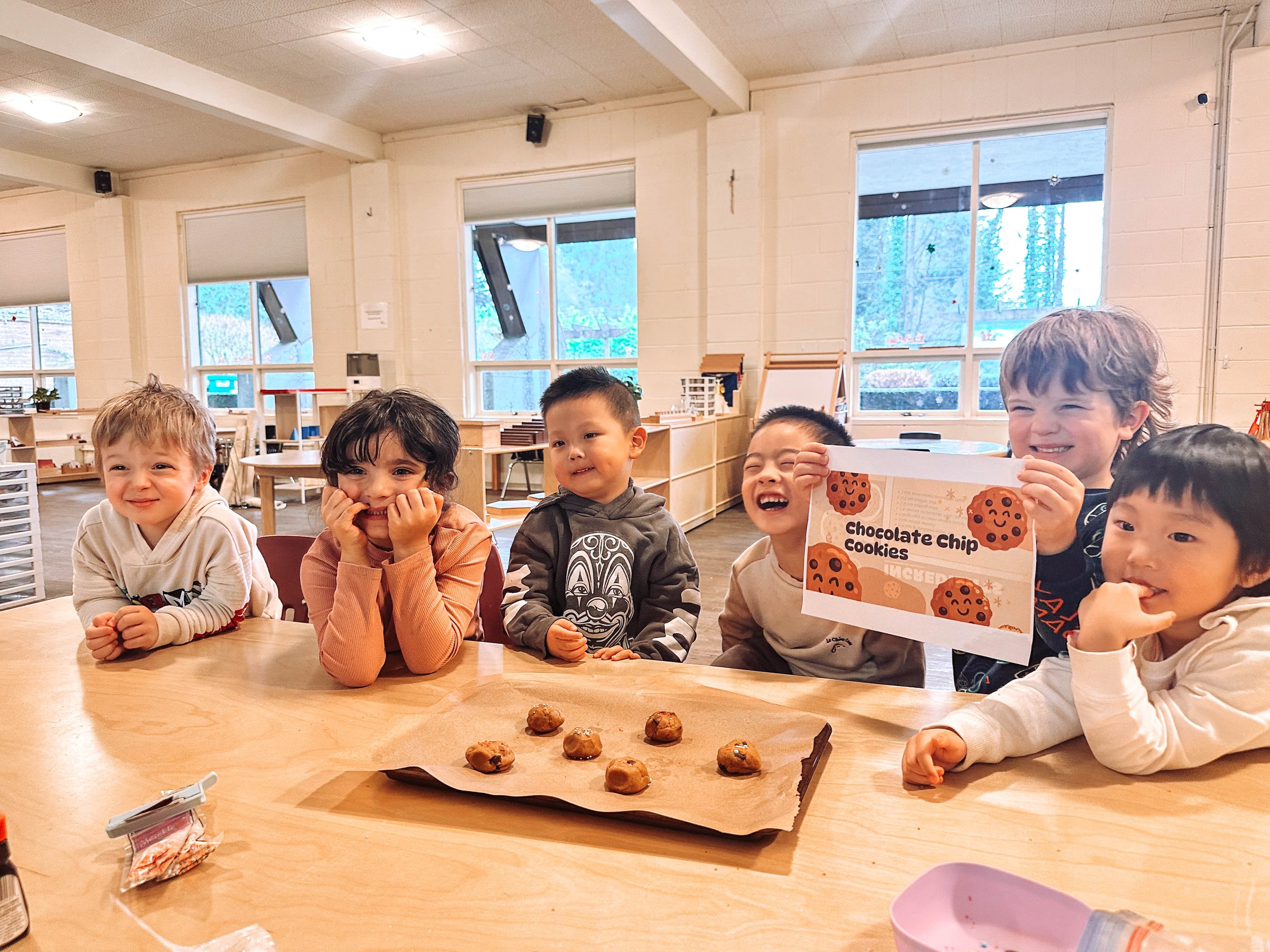
In mixed-age environments, younger children learn by observing older peers, while older children develop leadership and empathy.
Montessori education nurtures:
Emotional regulation
Respect for others
Conflict resolution skills
Patience and collaboration
These skills are just as essential as academic readiness.
-
One of the most powerful benefits of Montessori is the development of intrinsic motivation.
Children are not pressured with rewards or comparisons. Instead, they experience the satisfaction of mastering a skill through repetition and self-correction.
This creates learners who are:
Curious
Self-driven
Resilient
Engaged


Montessori childcare in West & North Vancouver
Cultivating Young Minds with Montessori Education

Benefits During the Early Years
29 Months to Kindergarten
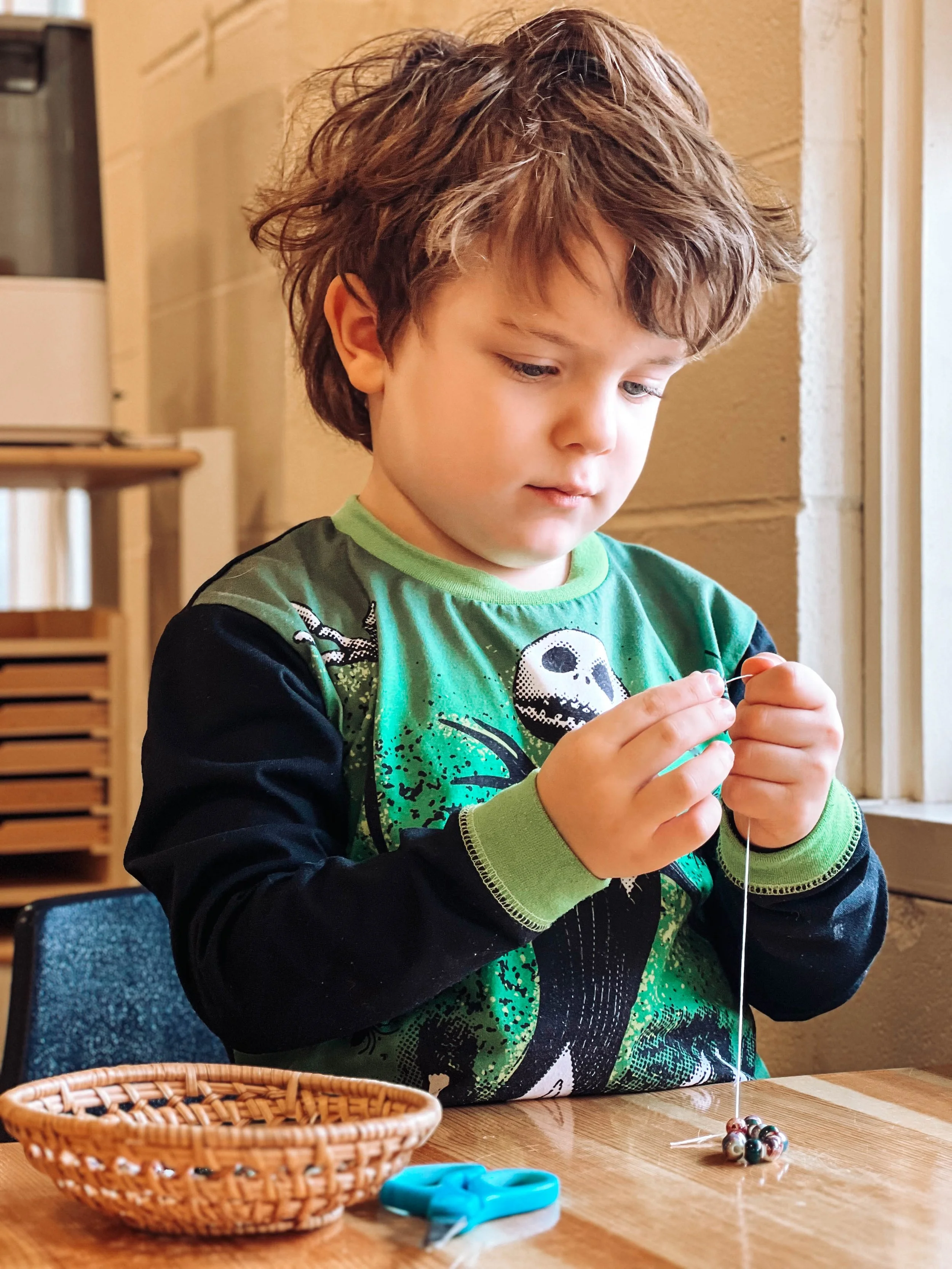
The period between 2.5 and 5 years old is a time of extraordinary brain development. At Blossoms at Bellevue, our Montessori childcare programs are designed specifically for early childhood development, which is uniquely designed to support this stage by encouraging:
Practical life skills that build coordination and independence
Sensorial exploration that refines perception
Language development during peak absorption years
Early math concepts through tactile learning
Movement integrated with cognitive development
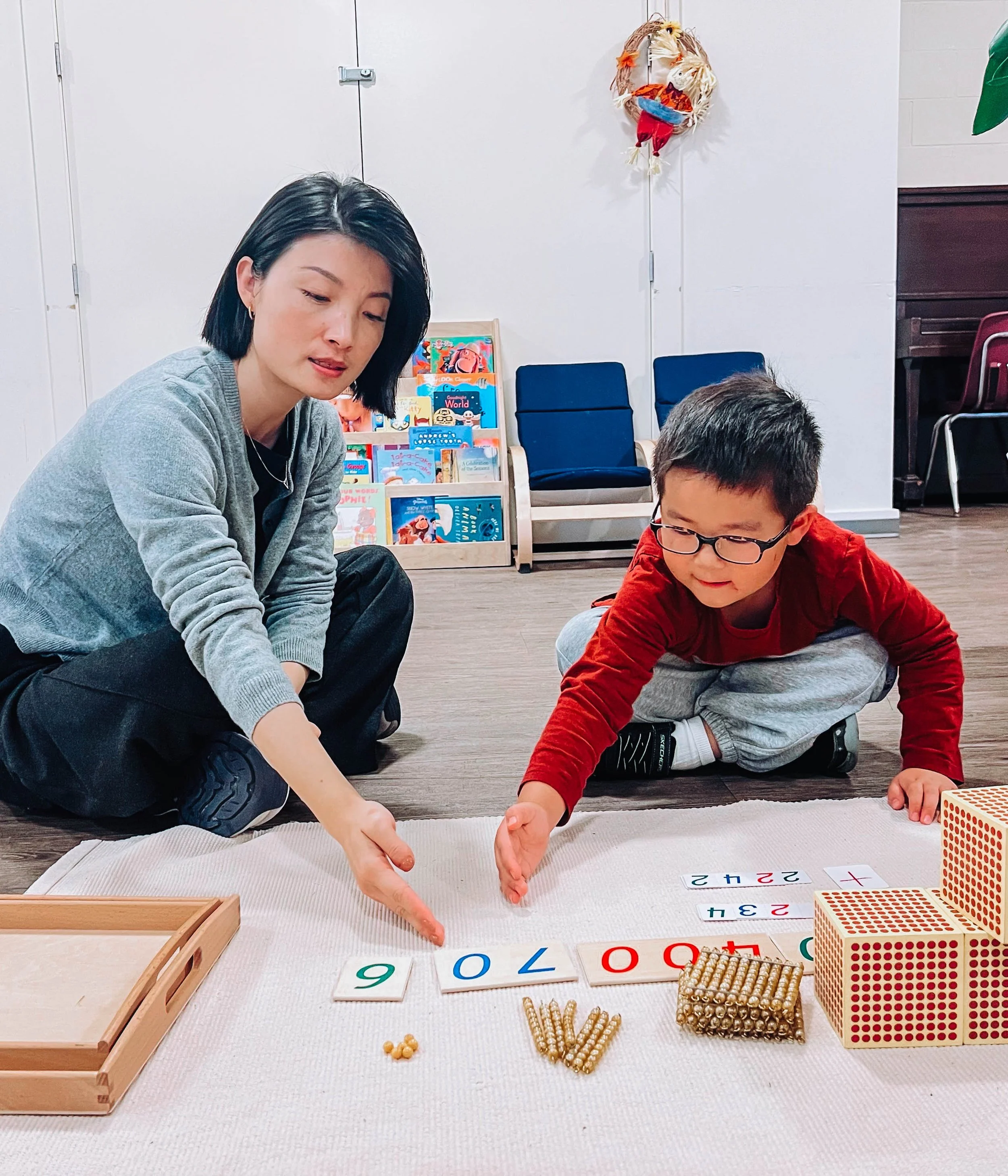
Each of our classrooms is thoughtfully prepared to support independence while providing gentle guidance from experienced educators.

Montessori Childcare vs. Traditional Childcare
Parents often ask about the difference between Montessori and traditional childcare.
While traditional childcare often follows a group-directed schedule, Montessori education allows children to work independently within a structured framework.
Key differences include:
Child-led learning instead of teacher-led instruction
Extended periods of uninterrupted work
Individualized pacing
Purposeful materials designed for self-correction
This approach fosters maturity, confidence, and readiness for Kindergarten.
Why Montessori Education Supports Long-Term Success
Research and decades of practice show that Montessori-educated children often demonstrate:
Strong executive functioning skills
Advanced problem-solving abilities
Emotional resilience
Academic confidence
These outcomes are rooted in the respect, structure, and independence built into the Montessori method.
Discover the Montessori Difference
Understanding the benefits of Montessori education can help you make an informed choice about your child’s early years. If you are searching for a Montessori childcare in West Vancouver or North Vancouver for your child aged 29 months to 5 years old, we would love to connect with you.
Schedule a tour today and see how Montessori education can support your child’s growth.